 HerbalShroom
Free Shipping for Every Order Over $150
Explore the truth behind common magic mushroom and psilocybin myths, including addiction, anxiety, psychosis, toxicity, and challenging experiences. Learn about the potential risks and what to know before using magic mushrooms.
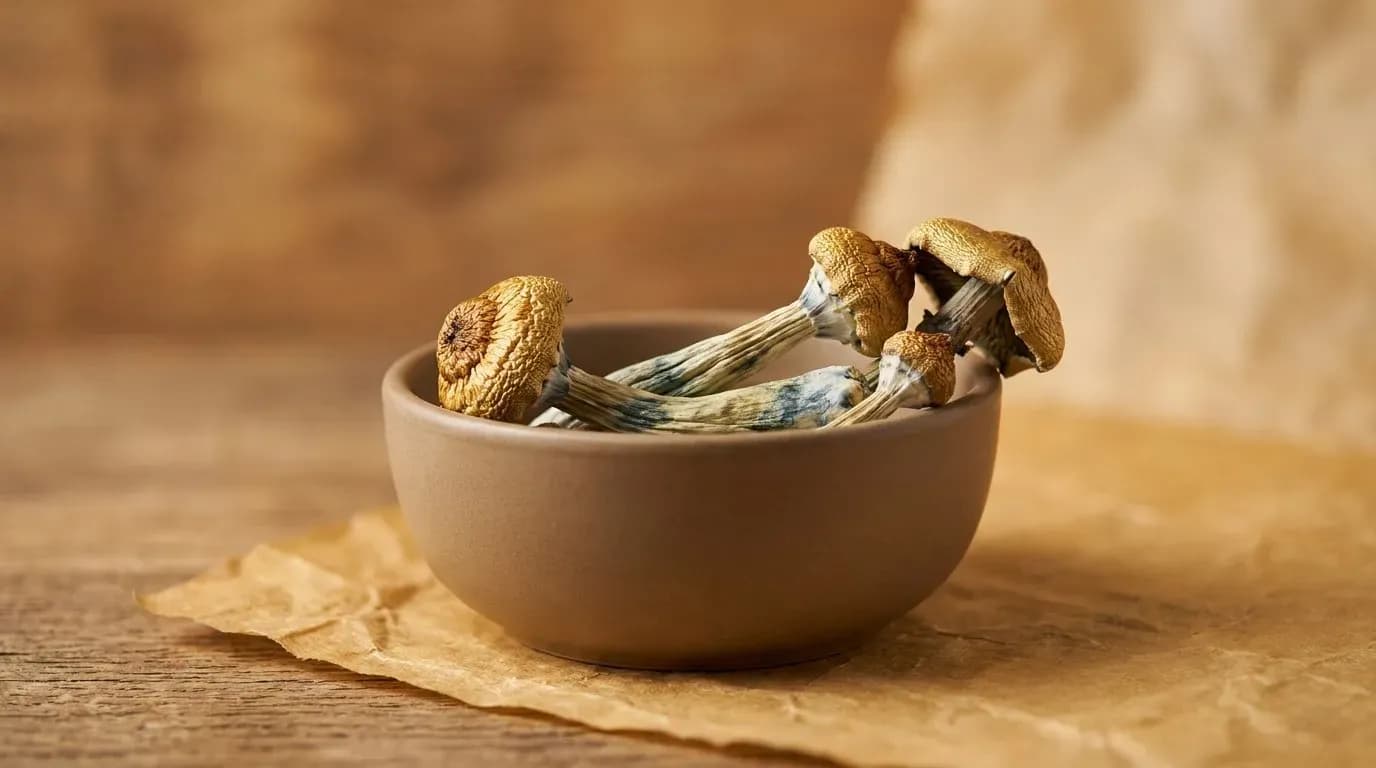
We recognize that in order for everyone to feel comfortable with psychedelics and safely use them to their full potential, we need to be brutally honest about what they are and what they are not. This includes addressing popular myths and fears while acknowledging potential risks.
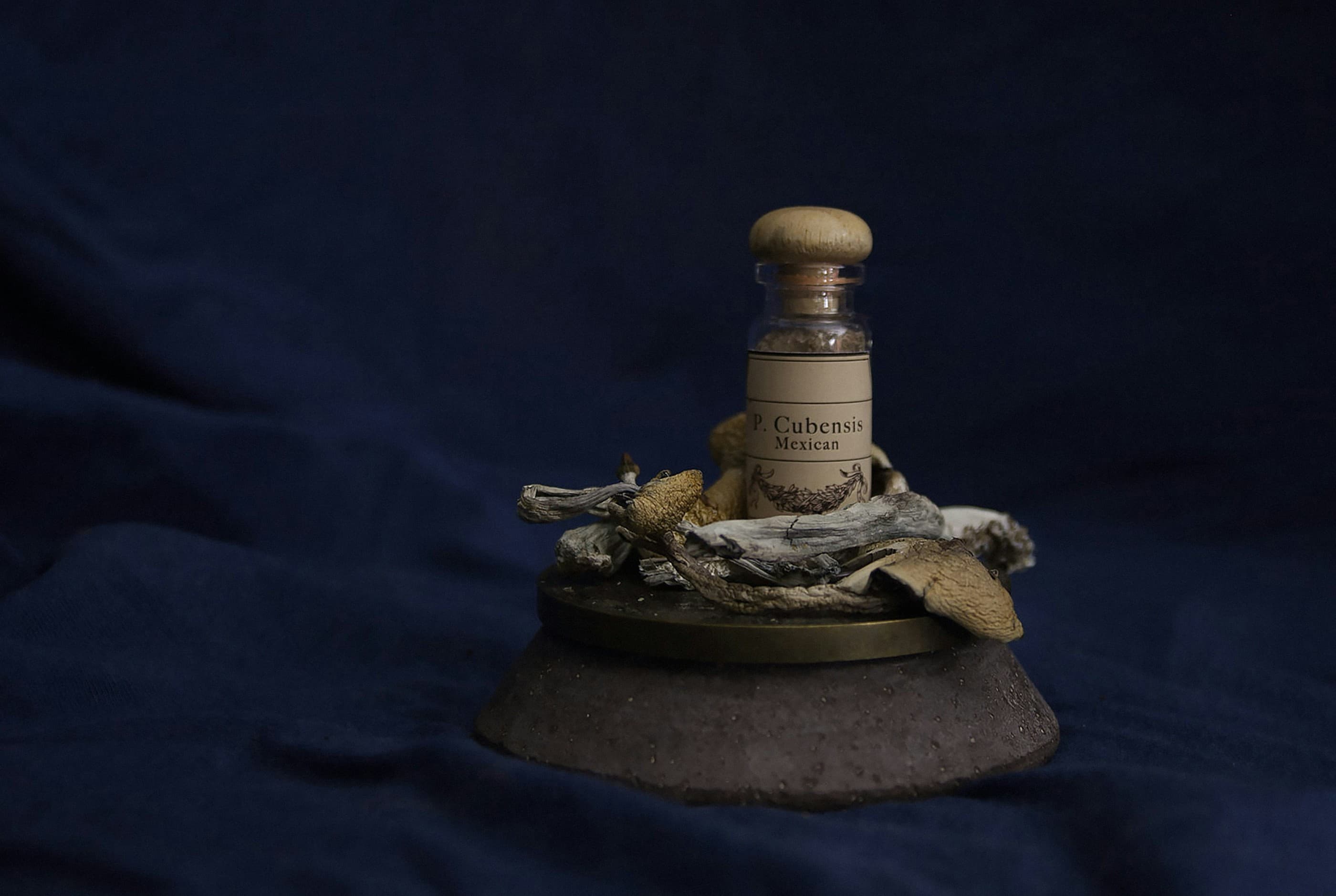
Perhaps the most dangerous thing about psychedelic mushrooms is that they can be easily confused for the poisonous kind. There are over 100 varieties of psilocybin-producing mushrooms which are all non-toxic. However, some of them can look like toxic strains so it’s important you get your mushrooms from a trusted source.
It’s important to know that magic mushrooms are not addictive. Even Health Canada acknowledges this fact.
Firstly, consuming magic mushrooms does not induce mood or mental disorders.
Okay, now that that’s out of the way, let’s talk about “bad trips”. You may have heard stories of a friend having a challenging experience while on magic mushrooms, causing them uncomfortable thoughts and feelings. An important thing to consider here is that while they may not have had the ideal experience, that’s not necessarily a bad thing.
Six months after the “bad trip,” 84% of study participants reported positive outcomes. from the experience. 76% reported that the experience had resulted in an improved sense of well-being and life satisfaction. Nearly half said they would go through.
To help guide your trip it is important to prepare your experience in a thoughtful manner. If you’re not confident about these three things, we don’t not recommend using higher doses of magic mushrooms (anything beyond a microdose). To set yourself up for success:
Additionally, after your trip (blissful and/or uncomfortable), try to unpack where those feelings may have been coming from. By bringing awareness to the source of those emotions, you may be able to integrate the learnings from your experience into everyday growth.4. “If you take magic mushrooms, you could have a psychotic break.”
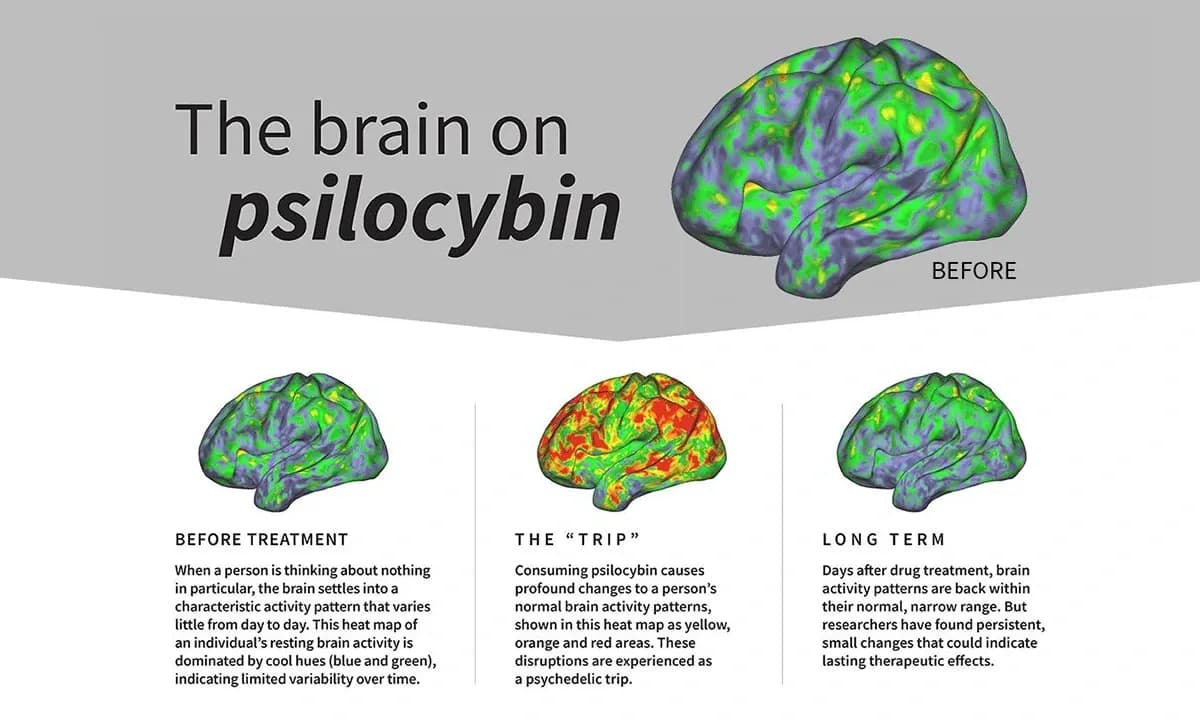
Two studies have concluded there is no link between psychedelics and psychosis. Researchers in the first study found that psychedelic users were not at increased risk of developing 11 indicators of mental-health problems such as schizophrenia and psychosis. The second study came up with similar results. Magic mushrooms contain a compound called psilocybin that, when ingested, is converted into psilocin. This chemical activates serotonin receptors in your brain, triggering vivid hallucinations, a sense of euphoria, visions and changes in your perception of space and time. While there’s often a lot to unpack after a deep experience, all the evidence suggests magic mushrooms will not cause you to have a psychotic break. “Magic mushrooms grow on cow’s poop.”
We mean, they sure can. A common misconception about magic mushrooms is that they only grow in cow poop which is not the case. For Sero, we grow our mushrooms using organic substrates like grains and sawdust. We also use recycled coffee grounds donated by local coffee shops. These grounds act as a wonderful supplement for psilocybe cubensis fungi to flourish.